
You remember the last time you had a proper conversation with your partner that was not about the baby feeding schedule, sleep regression, or whose turn it is to do the dishes? Neither do we.
Somewhere between the nappy changes and the midnight feeds, something quietly shifted. Not dramatically. Not with a fight. Just gradually. The texts that used to say thinking of you now say can you pick up diapers on your way home. The spontaneous dinners became scheduled. The long hugs became quick pecks. The lingering glances got replaced by two exhausted people staring at opposite walls of the same bed.
Sound familiar? You are not alone, and more importantly, you are not failing.
Becoming parents is one of the most profound, identity shaking, beautiful and relentless things that can happen to a couple. It does not mean your marriage is in trouble. It means you are human. But it does mean that romance, the kind that makes you feel like partners and not just co parents, needs a little more intention now.
This is for every couple who still remembers who they were before the baby arrived. This is your reminder: you are still us.
Why Romance Takes a Back Seat After Having Kids (And Why That Is Completely Normal)
Before we dive into what you can do, let us talk about why this happens. Understanding the reason makes the solution feel a lot less like homework and a lot more like a choice you are making with clarity.
1. You Have Both Undergone a Complete Identity Shift
The moment a baby arrives, every role you knew as partner, friend, professional, individual gets reshuffled and squeezed into a new shape. You are now also a mother, a father, a caregiver, a sleep deprived decision maker. Psychologists call this role overload, and it is one of the most common reasons couples feel distant after having children. You are not disconnected because you love each other less. You are disconnected because there are simply more urgent demands on your energy than ever before.
2. Physical and Emotional Exhaustion Are Real
New parenthood brings a level of fatigue that is genuinely hard to describe to someone who has not experienced it. When you are running on broken sleep, overwhelmed from holding a baby all day, and emotionally stretched from the constant vigilance of keeping a tiny human alive, romance is not going to happen on autopilot. This is not a character flaw. It is biology and circumstance working against you at the same time.
3. The Mental Load Imbalance
In many households, especially in the early months, one partner often the mother carries a disproportionate share of the invisible mental load: remembering the vaccination schedule, tracking feeding times, knowing when the diapers are running low. When one partner is mentally depleted and the other does not fully see it, resentment can quietly build, and connection becomes harder to find.
4. You Stop Seeing Each Other as Individuals
This one is subtle. After having kids, it is easy to start seeing each other only through the lens of a parent. He becomes the other co parent. She becomes the other caregiver. The person you fell in love with, the one with opinions, quirks, dreams and desires, starts to blur. When you stop seeing each other as individuals, intimacy naturally fades over time.
Knowing all of this does not make it easier, but it does make it less scary. Because if this is a circumstance driven drift rather than a fundamental incompatibility, it is also something that can be gently and lovingly reversed.
What Experts, Therapists and Real Parents Say

The Real Situations Every New Parent Couple Knows Too Well
Before we get to solutions, let us sit in the reality for a moment, because being seen matters.
The Ships Passing in the Night Phase
You wake up, one of you does the morning feed while the other grabs a ten minute shower that feels like a luxury retreat. By evening, you have both survived your respective days but have barely spoken in full sentences. Dinner happens in shifts because the baby will not settle. By 9 PM you are both horizontal, with zero energy for anything beyond silence. This is not a sign of a failing marriage. This is survival mode, and it is temporary.
The We Only Talk About the Baby Trap
You sit down for dinner, finally just the two of you, and realise the entire conversation is about sleep training, the four month regression, whether to start solids yet, and what the paediatrician said at the last checkup. What happened to the people who used to talk about dreams, opinions, films and random thoughts at 1 AM? They are still there. They just need a different prompt to come back out.
The Physical Distance That Creeps In
This one is especially true for new moms. After pregnancy, birth and breastfeeding, your body has been someone else's all day. By the time the baby is down, being touched, even lovingly, can feel overwhelming. This is normal and it needs to be spoken about, not suffered through in silence. The good news is that reconnecting physically does not have to start with grand gestures. It starts with small, consistent acts of physical presence such as a hand held, a back rubbed, or simply sitting close.
The Comparison Spiral
Your college friend posts photos of a romantic getaway with her husband and their six month old somehow sleeping peacefully in the background. Meanwhile, you have not left the house together without military level logistics in weeks. Comparison is the thief of marital joy. Every couple's timeline is different. Your story is not behind schedule. It is just in a different chapter right now.
What Research Actually Says About Marriage After Kids
It helps to know that science is on your side. Studies consistently show that marital satisfaction dips after the birth of a first child, but it does not have to stay low. For many couples it rises again once children grow and parents develop new rhythms together.
-
A landmark study by the Gottman Institute found that 67% of couples experienced a significant decline in relationship satisfaction in the first three years after having a baby. However, couples who consistently made small positive bids for connection maintained their closeness far better than those who did not.
-
Research published in the Journal of Family Psychology found that scheduling dedicated couple time, even just one to two hours per week, significantly predicted higher long term relationship satisfaction.
-
Studies on responsive desire show that for many people who are sleep deprived and touched out, desire follows engagement rather than the other way around. This means you do not have to feel romantic first. Choosing to connect first often creates the feeling that follows.
-
Relationship expert Dr. Sue Johnson, founder of Emotionally Focused Therapy, notes that couples who openly communicate their emotional needs rather than just logistical ones report significantly higher relationship satisfaction through the parenting years.
The takeaway is clear. Small, consistent effort beats grand occasional gestures every single time.
How to Keep the Romance Alive in Your Marriage After Having Kids: Strategies That Actually Work
These are not hacks. They are habits. And like any good habit, they take a little effort to start but once they are part of your rhythm, they become the glue that keeps you together through all the seasons of parenthood.
1. Prioritise Micro Moments Over Grand Gestures
This is the single most important mindset shift you can make. In the parenting years, you may not be able to do a spontaneous weekend away or a candlelit dinner every week. But you can absolutely do a ten second hug at the door. A genuinely attentive ask of how are you actually feeling today. A touch on the shoulder as you pass each other in the kitchen. A text that says nothing practical and is simply thinking of you.
Dr. John Gottman's research shows that healthy couples maintain a five to one ratio of positive to negative interactions, and the positive ones do not need to be dramatic. They just need to happen.
Try this: Set a quiet intention every morning to give your partner one small, genuine gesture of affection before the day gets busy. Just one. Watch what it does over a week.
2. Schedule Intimacy and Stop Feeling Bad About It
We know. Scheduling romance sounds about as exciting as scheduling a dentist appointment. But here is the thing: in the parenting years, if it is not in the plan, it does not happen. Waiting until you both feel like it often means never, because exhaustion wins every time.
Scheduling does not mean the experience will feel mechanical. Anticipation is actually part of desire, and knowing a special evening is coming can make both of you more emotionally present and playful throughout the week. Even a blocked calendar slot that simply says us time counts.
Think of it less as scheduling romance and more as protecting it from everything else that will fill the space.
3. Have Conversations That Are Not About the Baby
Make a simple rule: at least fifteen minutes each day where the baby is not the subject. Talk about something you read, something you want to try, a memory, a dream, an opinion. Ask your partner questions you have never asked before. You would be surprised how much you still do not know about the person you live with.
Try the 36 Questions That Lead to Love, developed by psychologist Arthur Aron. They work beautifully for couples looking to reconnect, and you can do one or two over dinner and instantly feel closer to each other.
4. Rediscover Who You Each Were Before Parenthood
Your identity did not disappear when you became a parent. It just got a little buried under nappies and Google searches about developmental milestones. Making space for each other's individual selves is one of the most romantic things you can do in this season.
Encourage each other to pursue something personal, whether that is a hobby, an interest or a friendship outside of parenting. Individuality is attractive. When your partner comes home lit up about something they love, you get to fall for that version of them all over again.
5. Make Date Night Non Negotiable, Even If It Is at Home
Date nights do not have to be elaborate or expensive. They just have to exist. After the baby is asleep, order good food, light a candle, put your phones face down, and give each other your actual attention for an hour.
If going out is difficult with a newborn, create your own ritual at home. A shared playlist. A movie you have both been wanting to watch. A card game you used to play. A glass of wine and a real conversation that wanders wherever it wants to go.
If you are looking for a sweet way to mark the occasion, check out Gifts for Moms at The Mom Store. Small, thoughtful gifts that say I see you without needing a special occasion to justify them.
6. Touch Each Other Often and Without Any Agenda
Physical connection does not have to lead anywhere to matter. In fact, non sexual touch such as holding hands, hugging for longer than three seconds, or a hand on the back releases oxytocin, the bonding hormone, which reduces stress and increases feelings of closeness between two people.
Make it a habit. Hug at the door. Hold hands during a walk. Sit close enough to touch when you are watching something together. The physical language of closeness sends a message your brain receives loud and clear: this person is still my person.
7. Speak Their Love Language, Not Just Your Own
If you have never explored the five love languages developed by Dr. Gary Chapman, this is a good moment to look into them: Words of Affirmation, Acts of Service, Receiving Gifts, Quality Time and Physical Touch.
Most of us default to expressing love in the language we most want to receive, but your partner may feel most loved in an entirely different way. A quick conversation about what the other person needs most right now can be surprisingly powerful, especially because those needs shift with each parenting season.
If your partner's love language is Acts of Service, taking over bedtime tonight without being asked could speak louder than any romantic dinner. Small, specific and intentional is the winning formula.
8. Invest in Self Care as a Form of Love for Your Relationship
You cannot pour from an empty cup, and in the parenting years this is not a cliche, it is a survival truth. When you invest in your own physical and emotional wellbeing, you show up as a better partner to the person you love.
This is especially true for new moms navigating postpartum recovery. Taking care of your body, asking for help and not running yourself into the ground is not selfish. It is relational maintenance, and your whole family benefits from it.
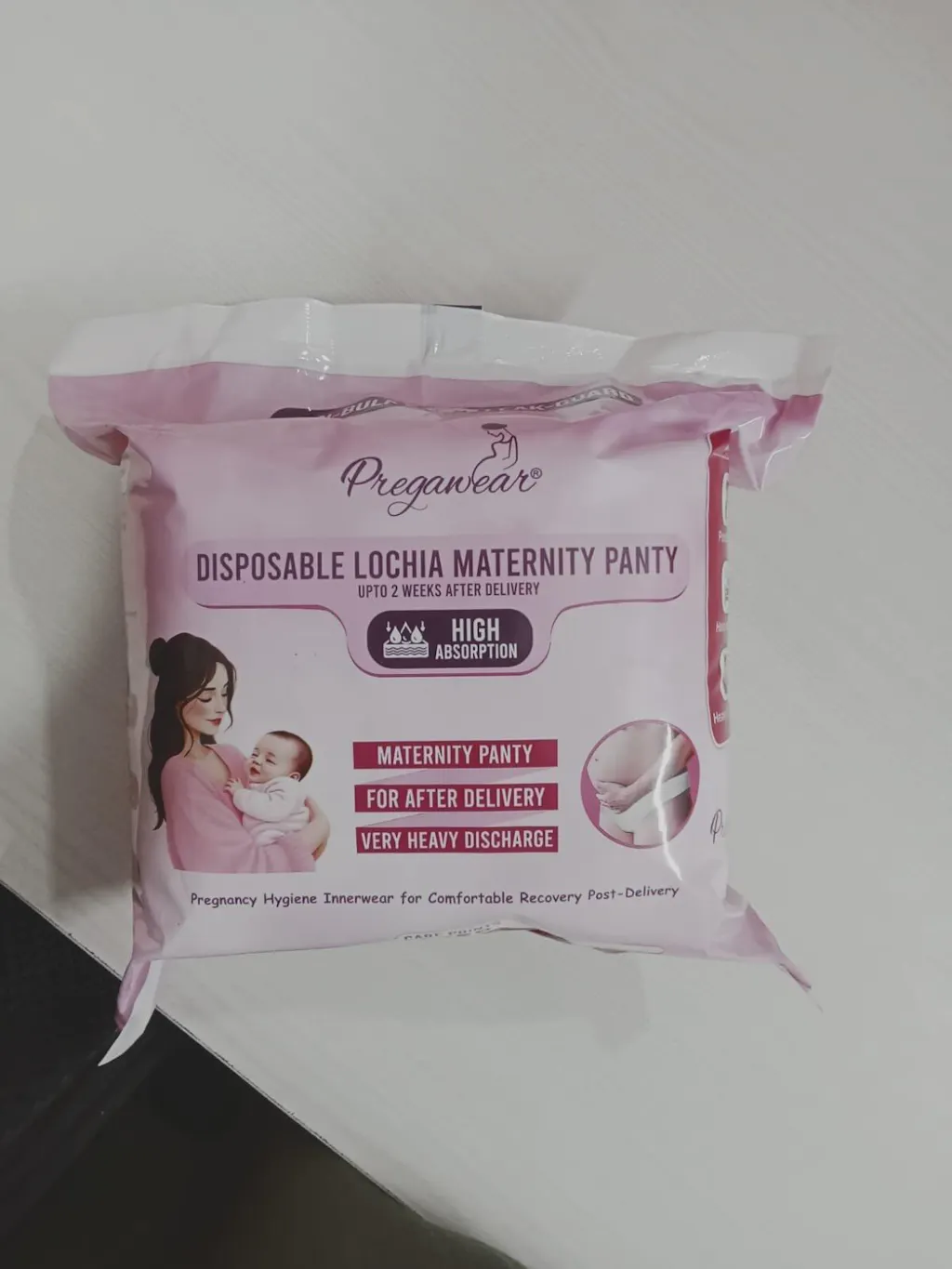
The Mom Store's Postpartum Essentials collection includes products designed to help new moms feel comfortable and cared for during recovery. Because when mum feels good, everything around her gets a little easier.
9. Laugh Together as Often as You Can
This might be the most underrated relationship tool of all. Parenthood is genuinely, absurdly funny when you let it be. The diaper blowouts, the sleep deprived logic, the things your toddler says at the worst possible moment. Couples who laugh together share a language that is uniquely theirs, and laughter is one of the most powerful bonding forces in any relationship.
Do not take every hard moment seriously. Let some of them become the stories you will tell at dinner parties for years to come. The couples who laugh at the chaos tend to move through it together rather than apart.
10. Show Up for Each Other in the Unsexy Moments
Romance after kids is less about red roses and more about who takes the 3 AM shift when you both know the other one desperately needs sleep. It is about making each other a cup of tea without being asked. It is noticing that your partner is struggling and saying I have got this one, please rest.
The unsexy moments are where modern love actually lives. Recognising them as acts of love rather than just logistics transforms the entire experience of parenting together.
15 Small But Powerful Romance Habits for Busy Parents
Keep these in your back pocket for the days when everything else is too much:
-
Send a “thinking of you” text in the middle of the day that has nothing to do with the baby.
-
Hug for at least seven seconds when you greet each other. Research shows this is the minimum needed for oxytocin release.
-
Say thank you for specific things, not just generic thanks. Try saying I noticed you did this and it meant a lot to me.
-
Ask your partner one new question this week that you have never asked before.
-
Go to bed at the same time, even if one of you reads for a while. The ritual of togetherness matters more than the activity.
-
Write one thing you love about your partner and leave it somewhere unexpected.
-
Do one of their usual chores without being asked and without announcing it afterward.
-
Create a shared playlist of songs that mean something to both of you.
-
Bring in a no phones at dinner rule, even for just twenty minutes.
-
Plan something to look forward to together, even if it is weeks away. The anticipation is part of the joy.
-
Buy something small and thoughtful, not for a birthday or anniversary, just because you thought of them.
-
Talk about your dreams, both short term and long term ones, not just the to do list.
-
Take a walk together after the baby is settled, even a short one. Movement and fresh air together is quietly powerful.
-
Watch something you both genuinely enjoy, not just tolerate, and talk about it afterward.
-
Say I love you out loud and often. It sounds obvious but many couples stop saying it regularly without even realising.
One of our favourite little romance rituals for parent couples is coordinating outfits as a family. Check out The Mom Store's Family Twinning Sets, because looking adorable together as a team is always a mood lifter.
When Things Feel Really Hard: It Is Okay to Ask for Help
Sometimes the distance between partners is not just tiredness. It runs deeper. Unresolved conflict, postnatal depression in moms and dads alike, mismatched expectations or a growing sense of loneliness within the marriage can all make reconnection feel impossible without outside support.
If you recognise any of the following, it may be worth speaking to a couples therapist or counsellor:
-
Ongoing resentment that does not lift even on good days
-
Feeling more like roommates than romantic partners for months at a stretch
-
Consistent defensiveness or contempt creeping into everyday interactions
-
A partner who is emotionally checked out and unresponsive to bids for connection
-
A sense of loneliness that feels chronic rather than occasional
Seeking help is not a sign that your marriage is failing. It is a sign that you care enough to fight for it. Couples therapy has an excellent evidence base, and reaching out early is always better than waiting until the fractures are deep.
In India, platforms like iCall, Vandrevala Foundation Helpline and YourDOST offer accessible mental health support for individuals and couples. You are not alone, and help is closer than you think.
A Little Love from The Mom Store
At The Mom Store, we believe that taking care of the whole family means taking care of the relationship at the centre of it. Happy parents raise happy children, and that starts with couples who still feel seen, valued and genuinely close to each other.
Whether you are looking for a thoughtful gift to show your partner you are thinking of them, or need postpartum essentials to help you feel like yourself again, we are here for all of it:
-
For her, always: Gifts for Moms at The Mom Store.
-
For her recovery: Postpartum Essentials designed for real life.
-
For her comfort: Maternity Nightwear and Loungewear, soft and made for real life.
-
For your family: Family Twinning Sets, because you are a team.
- For the newest arrival: Newborn and Baby Gift Boxes, curated with love.
More From The Mom Store Blog: You Might Also Love
-
The Go To Breastfeeding Manifesto for New Moms. Everything you wish someone had told you before you started nursing.
-
8 Simple Tips to Make Your Breastfeeding Journey Easier From Real Mom Life. Real tips, real stories and zero judgment.
-
Womens Day 2026: 10 Meaningful Ways to Celebrate the Mom in Your Life With Gifts She Will Actually Use. Because she deserves to be celebrated every day.
- Maternity Wear Guide 101: What to Wear When Your Clothes Do Not Fit Anymore. Stylish and practical for every stage of your pregnancy.
Final Thoughts: You Are Still Us, and That Is Worth Fighting For
The couple that existed before the baby arrived has not disappeared. They are still in there, just a little sleep deprived, a little overwhelmed and waiting for someone to remind them that what they have is worth tending to.
Romance after kids is not about recreating who you were before parenthood. It is about discovering who you are becoming together, as partners who choose each other not just on the easy days but on the chaotic, exhausted, beautiful and messy ones too.
You do not need a perfect evening. You do not need a babysitter, a hotel or a grand gesture. You need a moment, one honest, present, intentional moment, where you look at your partner and remember: this is still us.
Start there. The rest will follow.
"The most important thing a father can do for his children is to love their mother." Theodore Hesburgh
|
💖With love, The Mom Store 💖 Because the best gift you can give your child is a happy home. |
This article is intended for informational and inspirational purposes. For clinical mental health support, please consult a qualified therapist or counsellor.